

Published Weekly | Biannual Newsletters
Whitland Dental Co Blog
CLICK HERE to read our latest Newsletter
-
CLICK HERE to read our latest Newsletter -

Myofunctional Therapy and Facial Development in Young Children
The bones of the face do not grow in isolation. They develop in response to the soft tissues and functions surrounding them, including breathing, swallowing, chewing and resting tongue posture. This principle has underpinned orthodontic thinking for decades. Where those functions are disrupted during the growth years, the pattern of facial development can be affected alongside them.

CPAP vs. Mandibular Advancement Devices: Which Is Right for You?
If you have been diagnosed with obstructive sleep apnoea (OSA), you are likely weighing up your treatment options. Two of the most widely used are CPAP — the clinical gold standard — and mandibular advancement devices (MADs), a dental sleep medicine intervention. Understanding what the evidence says about each can help you make an informed decision alongside your clinical team.

What Happens to Your Overall Health If You Ignore a Sleep Breathing Problem?
Obstructive sleep apnoea (OSA) is not simply a sleep nuisance. When left undiagnosed and untreated, it exposes the body to a nightly cycle of oxygen deprivation, stress hormone surges, and systemic inflammation — with consequences that span almost every major organ system. Below, we break down the evidence.

What Happens to Your Teeth if You Ignore a Sleep Breathing Problem?
If you snore, wake unrefreshed, or have been told you stop breathing in your sleep, you may be living with obstructive sleep apnoea (OSA). Choosing not to investigate this with a sleep test doesn’t just carry risks for your heart and brain — it has direct, measurable consequences for your mouth.

The role of the Dentist in Sleep Breathing Disorders
When most people think about sleep disorders, they think of their GP or a hospital sleep clinic. What they rarely consider is that their dentist may be the first clinician to notice the signs — and in many cases, the best placed to help.

Rest, Recover, Protect: Why Sleep Hygiene Matters for Your Teeth and Your Health
We talk a lot about brushing, flossing, and diet — but one of the most overlooked influences on your oral health happens while you're asleep. The quality of your sleep has a measurable, direct impact on your teeth, gums, and overall wellbeing.

When "Leaving It" Is Never the Answer: The Real Risks of Untreated Broken or Infected Teeth
We understand that dental treatment can feel daunting — the cost, the time, the anxiety. But when it comes to broken, exposed, or infected teeth, delaying care is never the safe option.
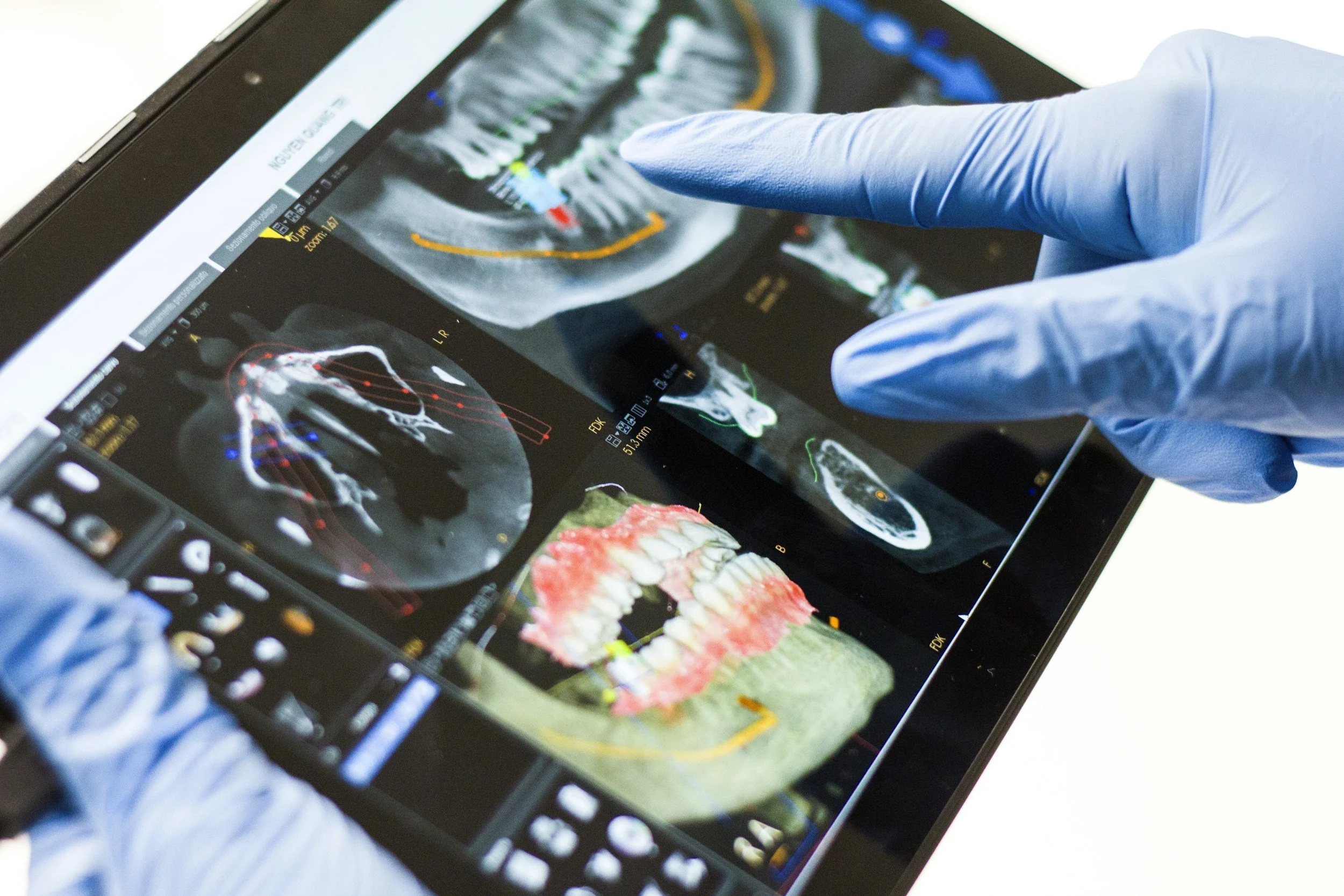
Why Is Private Dentistry More Expensive Than NHS Dentistry?
It is one of the most common questions we hear at Whitland Dental Co — and it is a completely fair one. Understanding why private dentistry costs more helps you see exactly what you are paying for and why it matters for your long-term oral health.

Understanding Denplan Care Categories: What They Mean and Why Your Fee Can Change
At Whitland Dental Co, we're proud to offer Denplan Care as part of our commitment to making high-quality dentistry accessible and affordable. But we know that receiving your annual fee review letter can sometimes prompt questions — so let us explain exactly how the system works.

Why at Whitland Dental Co, We Believe in Slow Dentistry
In a world where everything feels rushed, we're choosing to do things differently. At Whitland Dental Co, we proudly embrace the philosophy of slow dentistry — and here's why it matters for you.
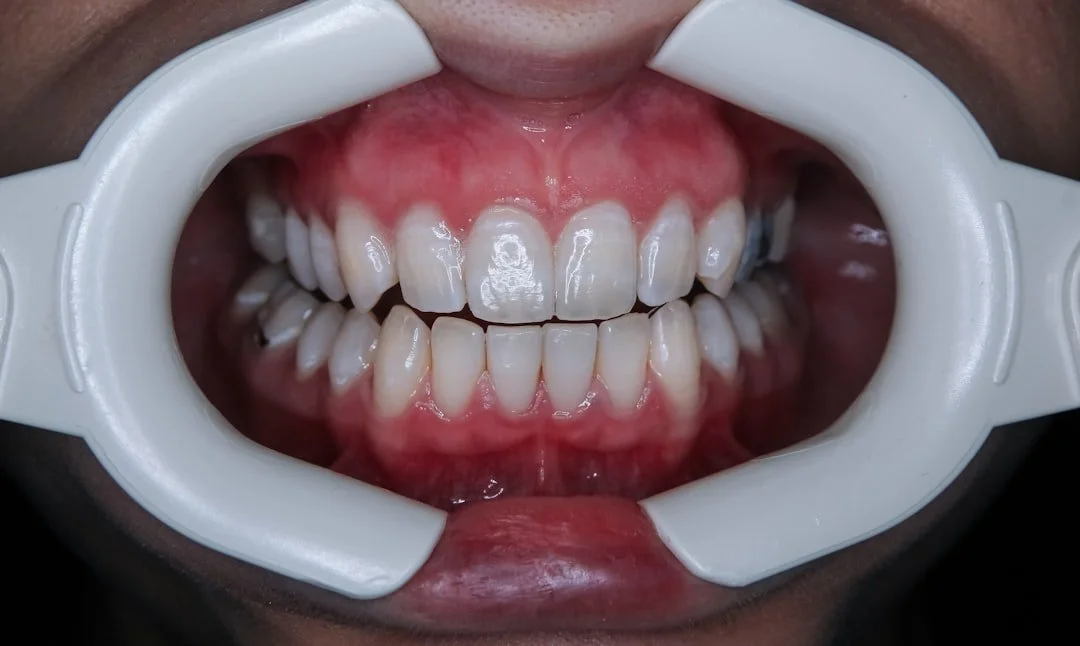
Risks and Considerations of Teeth Whitening: What You Need to Know
Teeth whitening has become a popular way to brighten a smile, but it's important to understand the potential risks and side effects before you begin. While a dazzling smile is the goal, some common issues can arise, especially when using over-the-counter products without professional guidance.
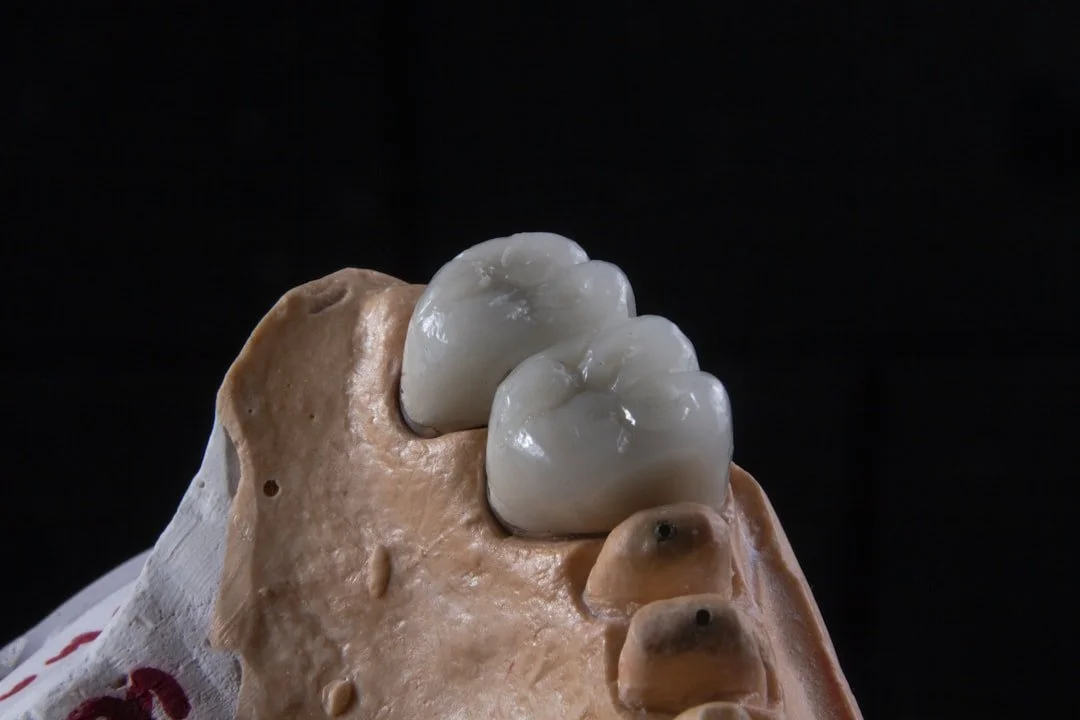
Risks and Considerations of Dental Crowns & Bridges: What You Need to Know
Dental crowns and bridges are excellent solutions for restoring a damaged smile, but like any dental procedure, it's important to be aware of the potential risks and complications. While they are a durable and long-lasting option, knowing what to look out for can help ensure a smooth and successful outcome.

What to Expect After a Tooth Extraction: Your Post-Op Survival Guide
So, you’ve had a tooth extracted. The hard part is over, but the recovery process is crucial for a smooth and speedy healing journey. Following these simple post-operative instructions will help you minimize discomfort and avoid complications.
Risks and Considerations of a Tooth Extraction: What You Need to Know
While often a last resort, dental extractions are sometimes necessary to remove a tooth that is severely damaged, infected, or causing overcrowding. The procedure is generally safe, but like any surgical intervention, it comes with potential risks and complications that patients should be aware of.
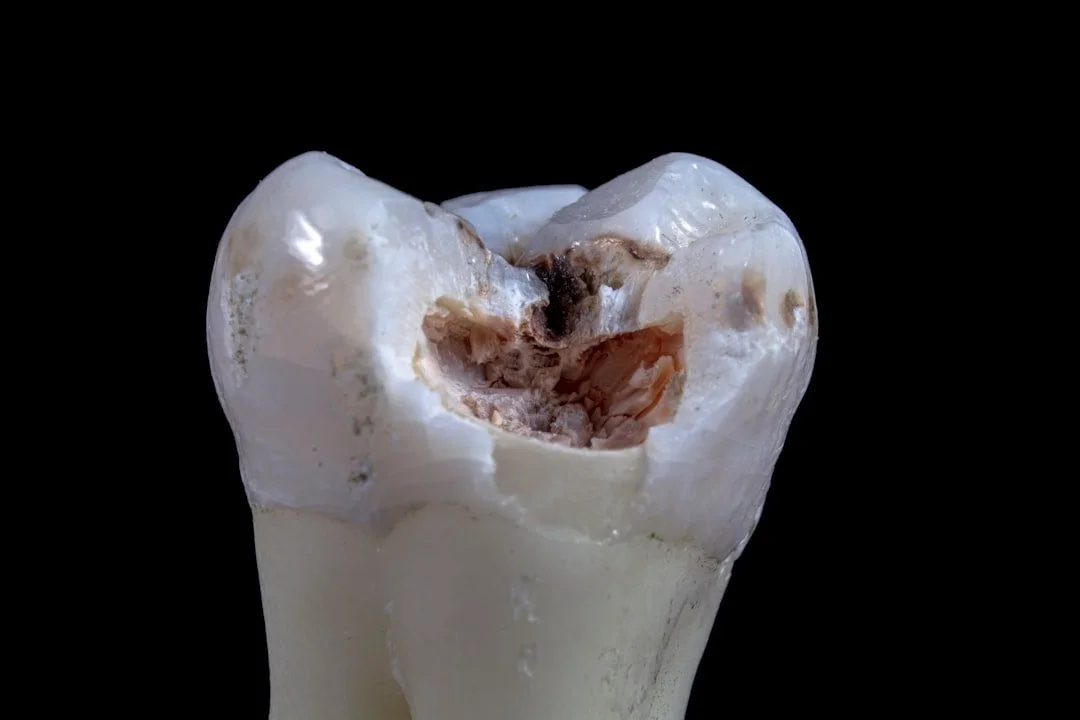
Risks and Considerations of a Dental Filling: What You Need to Know
Dental fillings are a routine and effective way to treat cavities and restore a tooth's function. While they are generally safe, it's important to be aware of the potential, albeit rare, risks and side effects.
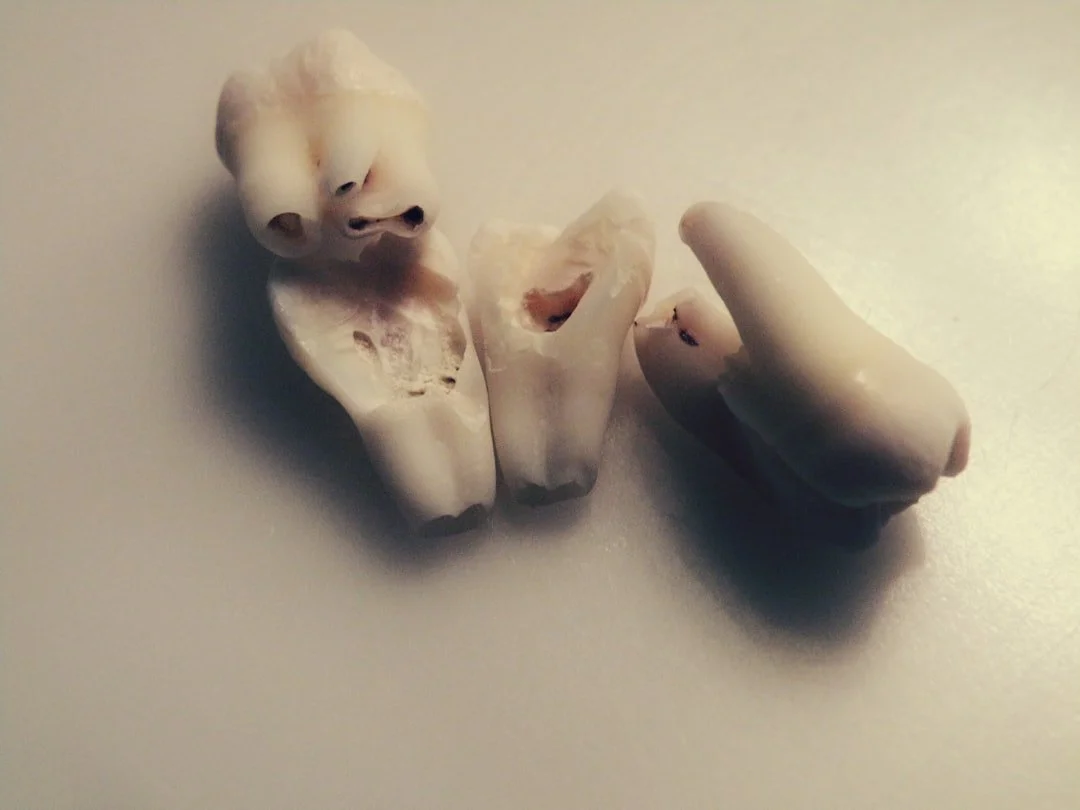
Risks and Considerations of a Root Canal: What You Need to Know
A root canal is a common and highly effective dental procedure designed to save a tooth that has become severely infected or decayed. While the procedure boasts an excellent success rate, it's essential to be aware of the potential risks and complications, however rare, before undergoing treatment.
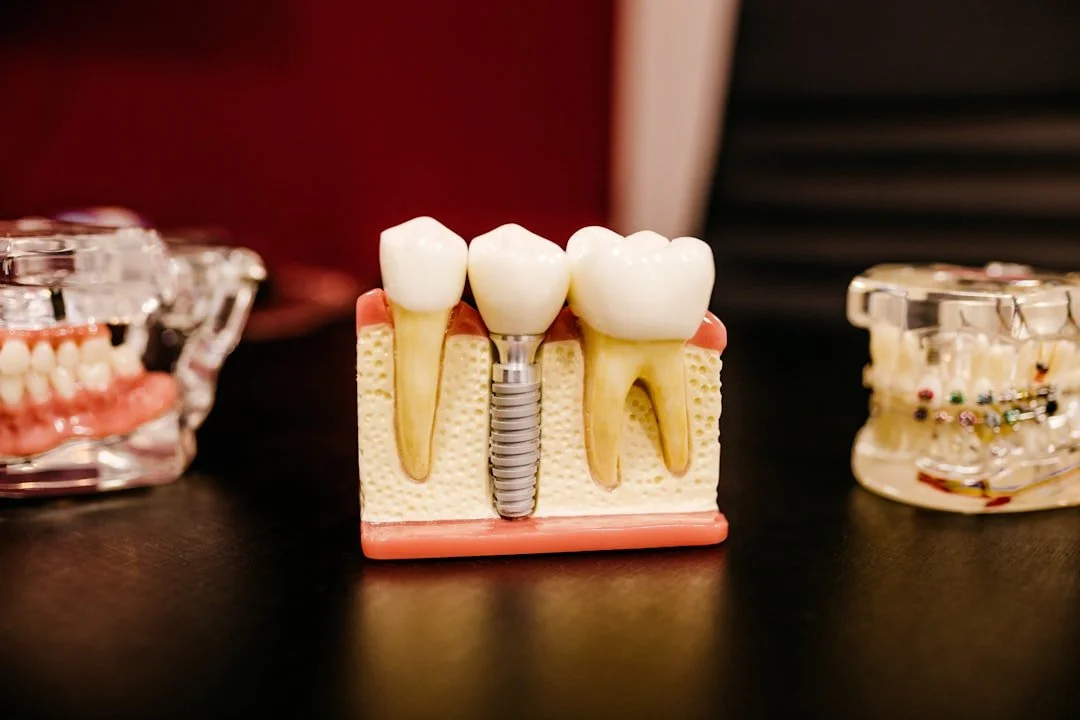
Hygiene vs. Periodontal Treatment: What’s the difference ?
A hygiene appointment is preventative, while periodontal treatment is corrective. Regular dental hygiene is your best defence against needing more advanced periodontal care down the line.

Air Polishing: Reveal your brightest smile
Air polishing is a modern dental technique that offers a superior method for teeth cleaning and stain removal, surpassing traditional practices in both effectiveness and patient comfort.
