

Published Weekly | Biannual Newsletters
Whitland Dental Co Blog
CLICK HERE to read our latest Newsletter
-
CLICK HERE to read our latest Newsletter -

Dental Sedation & Obstructive Sleep Apnoea
Obstructive Sleep Apnoea (OSA) is a prevalent sleep disorder characterized by recurrent episodes of upper airway collapse during sleep, leading to intermittent hypoxia and sleep fragmentation. Patients with OSA often present with symptoms such as loud snoring, excessive daytime sleepiness, and witnessed apnoeic events. Given the increasing need for dental procedures, understanding the risks associated with dental sedation in this population is critical for patient safety.

Dental Sedation: Drug-Free Alternatives
While pharmacological sedation remains a common choice, evidence-based dentistry increasingly highlights non-invasive, psychological, and holistic alternatives that foster long-term self-efficacy and habituation.

Dental Sedation: Not a long-term solution
While sedation remains a vital tool for managing immediate distress, relying on it as a permanent solution for dental phobia is increasingly viewed as a palliative measure rather than a curative one. Clinical evidence suggests that while sedation facilitates the procedure, psychological intervention—specifically Cognitive Behavioural Therapy (CBT)—is the gold standard for long-term recovery.
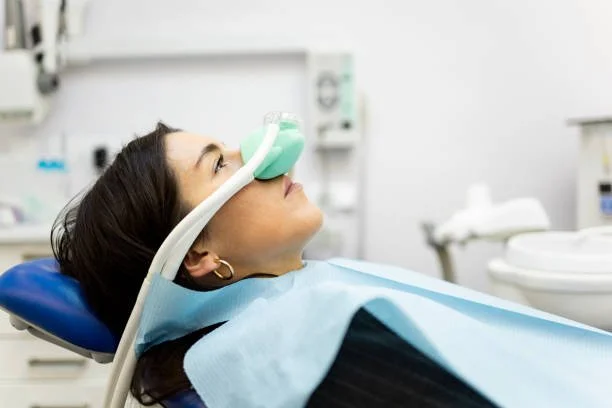
Dental Sedation: The Risks & Benefits
For many in the UK, the thought of a dentist’s drill can trigger genuine distress. Dental sedation offers a middle ground between local anaesthetic and general anaesthesia, providing a "conscious" state where you remain awake but deeply relaxed. If you are considering this for your next appointment, here is a breakdown of the risks and benefits.
